

Other examples might include shipping costs, sales commissions, and packaging materials. Each of these costs varies directly with the level of production or sales volume. Understanding and managing variable costs is crucial for businesses, as these costs directly impact profitability and pricing strategies. Efficient control over variable costs allows businesses to optimize their production processes, reduce waste, and improve profit margins. Moreover, a clear understanding of variable costs helps businesses make informed decisions about scaling production, launching new products, or adjusting prices. Variable costs are costs that change with the level of business activity.
Calculate Margins and Net Income
Unlike fixed costs, which remain constant regardless of the level of production, variable costs increase as production increases and decrease when production declines. Common examples of variable costs include raw materials, direct labor, and utilities used in the production process. Variable costs differ from fixed costs in that they fluctuate with production levels, while fixed costs remain constant regardless of how much a company produces or sells. Fixed costs include expenses such as rent, salaries of permanent staff, and insurance.
Managing Variable Costs for Profit Maximization
Per unit costs which explain the relationship between the cost and output. There are different types of https://www.bookstime.com/ economic costs such as Total Costs, Opportunity Costs, Sunk Costs, Average Costs, Marginal Costs, Fixed Costs, and Variable Costs. High operating leverage can benefit companies since more profits are obtained from each incremental dollar of revenue generated beyond the break-even point.
- To achieve this, the company appoints 45 laborers and pays each laborer $18 for a day’s work.
- Whether you’re a seasoned financial professional or new to the world of business, grasping the concept of variable costs is essential for navigating the complexities of today’s economic landscape.
- To find variable cost per unit, we add the cost per unit in materials ($25) and direct labor costs ($25), and multiply it by our total quantity of output (how many chairs are produced for the order).
- From that point on, though, the marginal gain in output diminishes as each additional barber is added.
- Knowing the difference between these cost types will help you make informed business decisions and manage your finances more effectively.
- It provides insights into how changes in production levels affect overall costs and profitability, enabling more informed decision-making regarding pricing, budgeting, and strategic planning.
Variable Cost Per Unit Formula

But adding more and more water brings smaller What is bookkeeping and smaller increases in output, until at some point the water floods the field and actually reduces output. Diminishing marginal returns occur because, at a given level of fixed costs, each additional input contributes less and less to overall production. How Output Affects Total Costs At zero production, the fixed costs of $160 are still present. As production increases, variable costs are added to fixed costs, and the total cost is the sum of the two.
- For example, producing more complex products may require more specialized labor or expensive materials, thus increasing the variable costs independently of the quantity produced.
- We are compensated in exchange for placement of sponsored products and services, or by you clicking on certain links posted on our site.
- This is the idea that every unit bought and sold adds Revenue and (variable) costs to the P&L.
- You’ll need variable cost data to make the right decision in this scenario, which will greatly impact profitability and leverage.
- Variable costs can add a layer of unpredictability to running your business.
- These costs change based on how much you produce, which means they can go up or down depending on your sales.
Improving Cash Flow Management: A Guide for Small Businesses
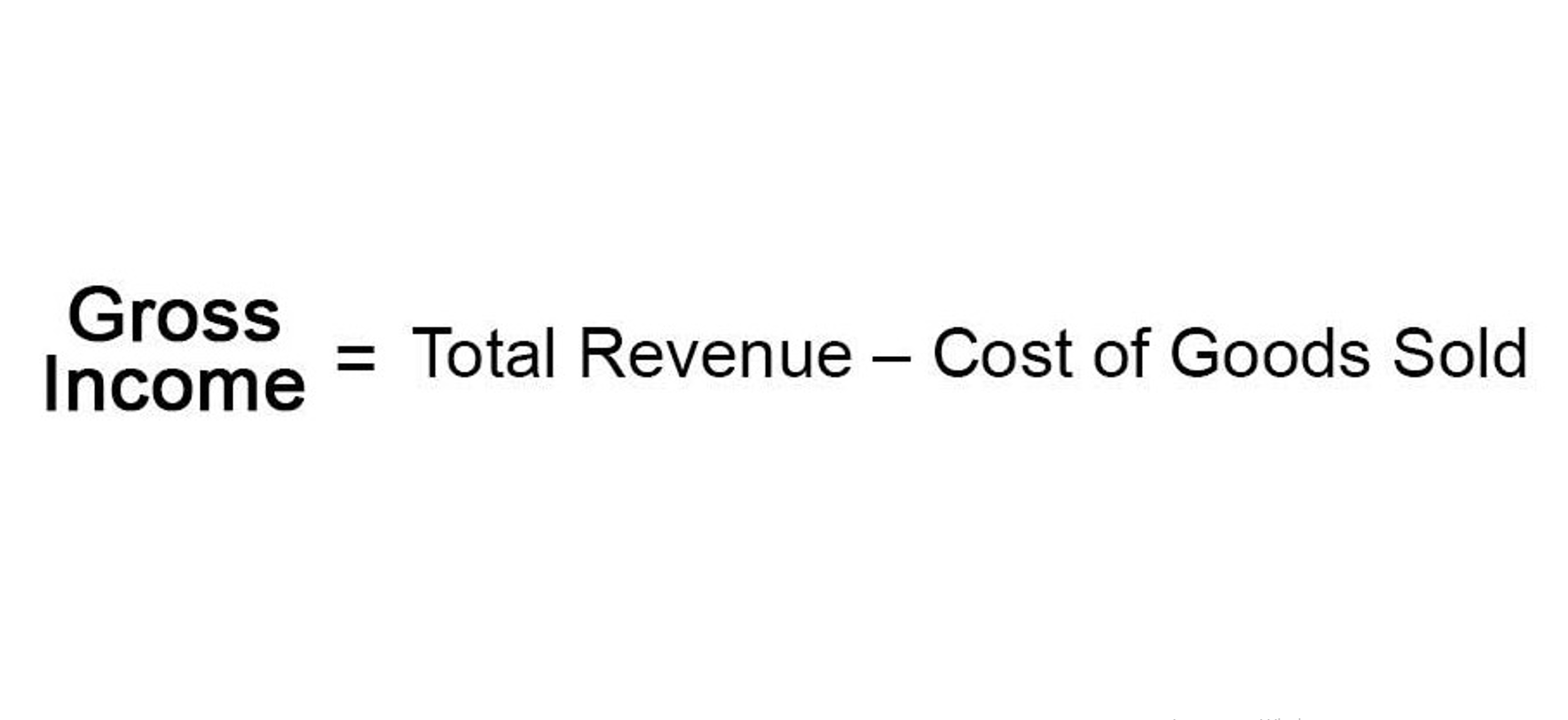
Examples of variable expenses are direct materials, sales commissions, and credit card fees. A common variable cost situation is a warehouse full of finished variable cost goods; these items are not charged to expense until they are sold to a customer. Managing costs effectively is crucial for any business aiming for profitability and growth.
- For example, in electronic gadget manufacturing, components like microchips and batteries represent variable costs.
- Take your learning and productivity to the next level with our Premium Templates.
- This is why managing variable costs is not just a matter of monitoring expenses, but a key function of overall business management.
- Bench simplifies your small business accounting by combining intuitive software that automates the busywork with real, professional human support.
- If you’re having trouble seeing how these techniques could apply to your business, consider hiring a business operations or managerial accounting consultant with experience in your industry.
- For instance, a firm might choose to capitalize some expenses rather than expensing them immediately.
- But it’s important that doing so doesn’t affect your product or service quality, as that could end up hurting your sales in the long run.
- Indicates the total monetary outlay directly related to production levels, allowing businesses to assess total cost implications.
- If you stop producing cars, you don’t have to pay for extra raw materials and electricity.
- These costs include the cost of raw materials, labor, and other production-related expenses.
- Suppliers often offer volume discounts as a promotion or as part of their pricing strategy.
- Fixed costs refer to expenses that do not change with production output, such as rent for your offices or salaries for permanent employees.
- The company must pay for the building, the employee benefits, and the machinery regardless of whether anything is produced that day.
If your product has a proportionately lower variable cost than its selling price, then it has a high contribution margin. Variable costing accounting is calculated as the sum of direct labor cost, direct raw material cost, and variable manufacturing overhead divided by the total number of units produced. Variable costing excludes fixed or absorption costs, and hence profit is most likely to increase owing to the money made through the sale of the additional items. If the total variable expenses incurred were $100,000, the variable cost per unit is $100.00 per hour.

It can generally be computed specifically as the total of the many forms of variable costs covered below. If variable expenses are incurred in batches, they might need to be divided among the commodities (For example, 100 pounds of raw materials are acquired to produce 10,000 completed goods). Over a one-day horizon, a factory’s costs might largely consist of fixed costs, not variable.